Walk into any service van and you can tell what kind of plumber works out of it. The assortment of cutters, snakes, torches, meters, and sealants paints a clear picture of the jobs they take and how they solve problems. Tools shape judgment. They also determine how clean a cut looks behind a finished wall, how fast a flood is stopped in a basement, and whether a repair lasts five years or twenty.
This is a tour through the core tool families behind three foundational tasks: cutting, snaking, and sealing. It is not an exhaustive inventory, nor a brag about gear. It is a practical guide grounded in the realities that every plumbing company weighs daily: durability, safety, speed, and the quiet pride of a joint that never leaks.
Cutting: Making Pipe Behave
Cutting seems simple until it ruins a morning. An out-of-square cut on PEX puts a crimp ring out of true and drips after the wall is buttoned up. A burr inside copper chews up flow and traps debris. A PVC Click to find out more cut with a dull saw wobbles just enough to splay solvent welds. Choosing the right cutter and using it properly sets the tone for the whole job.
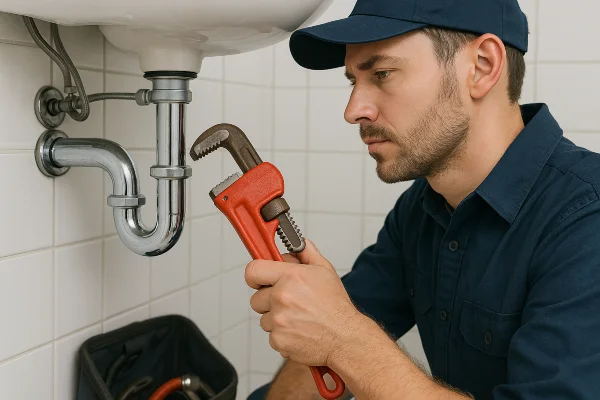
Copper and the discipline of square
For copper, the workhorse is the wheel-style tubing cutter. Pros keep a small-body cutter for tight spaces and a ratcheting or large-body cutter for 1 inch and up. The key is steadiness and patience. You set the wheel, make a smooth revolution, give a light quarter turn on the knob, then another revolution. Over-tightening in early turns flares the pipe and shortens the life of the wheel. A clean cut with minimal deformation saves you time when you sweat the joint or press it.
Deburring is not optional. A reaming blade built into the cutter works, but a dedicated deburring tool or a conical reamer gives a more uniform edge. Inside burrs raise friction and noise, especially on long runs. On domestic hot water recirculation lines, that matters. Outside deburring keeps a cap from hanging on a knife edge of copper, which prevents false snugness that later opens under heat.
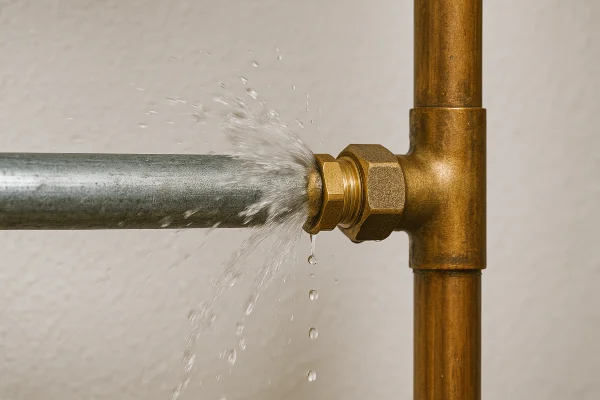
Anecdote to make the point: on a school retrofit, a junior tech skipped inside deburring to save time. The recirc pump sang like a tuning fork and a pinhole formed near a forty-five, likely due to turbulence and erosion on a burr. We rebuilt the joint, deburred everything, and the noise vanished. It cost us two hours that would have been saved with a 30-second step.
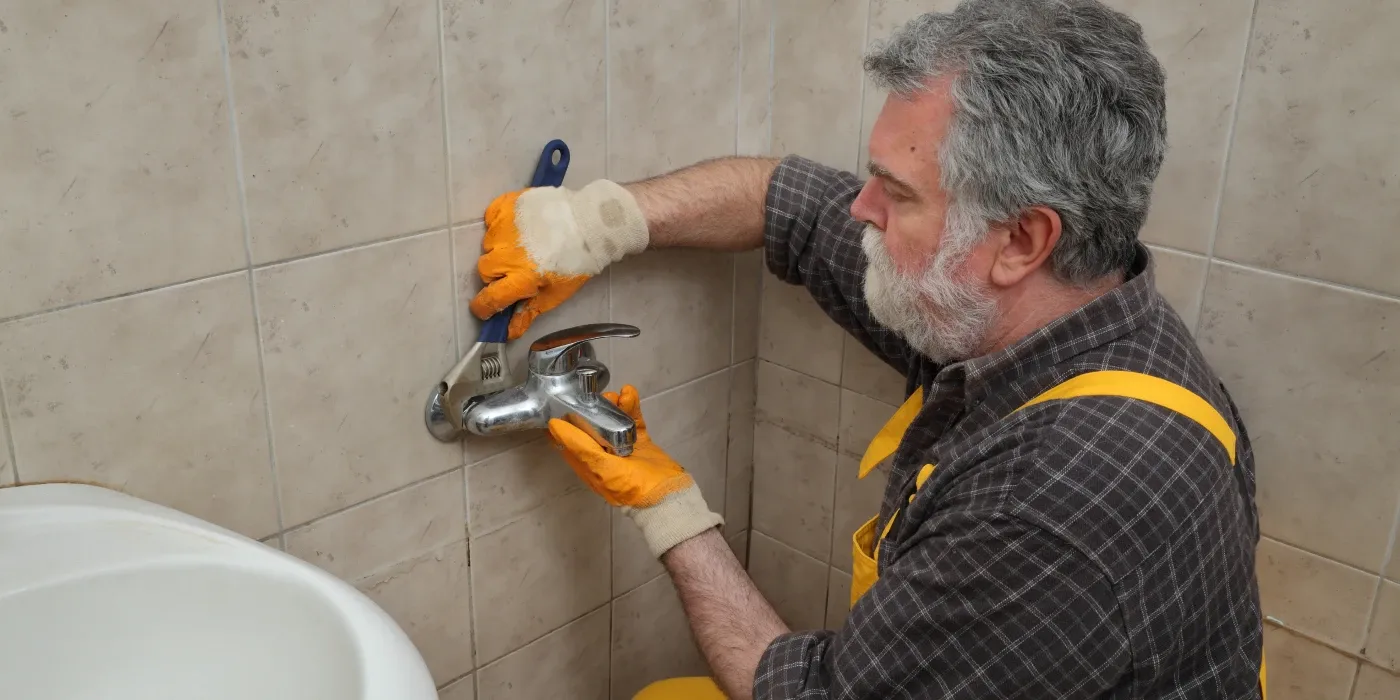
PEX cutters and the truth of blade quality
PEX demands a square, crush-free cut. Ratcheting shears with a sharp replaceable blade are the standard. The difference between a fresh blade and a tired one is visible. A dull blade smears the polymer and leaves a lip that fights the crimp ring or expansion sleeve. Most plumbers carry two: a compact scissor style for 3/8 to 1/2 inch and a beefier ratchet for 3/4 to 1 inch. Replace blades sooner than you think. They are cheaper than callbacks.
If you use expansion PEX, pay attention to the cutter’s alignment. A tiny skew multiplies when the sleeve expands. When the job involves dozens of cuts, I keep a small carpenters square at hand and check the cutter’s jaw once a week. It sounds fussy, but it’s the difference between fittings that glide and fittings that need persuasion.
PVC and ABS: solvent welds begin at the cut
Plastic pipe, whether PVC for pressure or ABS for DWV, tolerates less sloppiness than it appears to. For 1-1/2 inch and larger, a miter box with a fine-tooth saw or a dedicated plastic pipe saw gives straight, clean cuts. Some crews like guillotine cutters on 2 inch and below for their speed. In cold weather, PVC tends to shatter under a guillotine if the blade is cold and the pipe is brittle. Warm the blade with your hand or keep the pipe inside the truck for a few minutes.
Deburr inside and bevel the outside lightly. A quick pass with a deburring tool or even a pocketknife at 15 degrees creates a lead-in that helps the pipe seat fully with solvent cement. If you glue without that bevel, the cement can bunch, scrape, and form a ridge inside the joint. That ridge catches everything in a horizontal drain.
Solvent cement is its own subject, but the cut sets up the bond. Dry fit is not guessing. Mark the pipe and fitting so you can align them fast after primer and cement. If a hub is tight due to a ragged cut, you lose the short open time the cement provides. In warm rooms, you have seconds.
Steel and iron: cutting when sparks fly
For black iron and galvanized, many plumbers reach for a portable band saw. The cut is straight, the kerf is narrow, and the tool is controllable in tight spaces. An abrasive chop saw has its place in the shop for repetitive cuts, but in a finished building the smell and grit cause trouble. A reciprocating saw works, but it demands a steady hand and a new bi-metal blade. When cutting cast iron pipe, a chain-style snap cutter remains a staple. It can fracture pipe cleanly where a saw would vibrate everything to pieces. Support the pipe well and wrap a towel if you are near a painted wall. Cast iron snaps with a pop that can scratch.
Threaded steel introduces another dimension. If you cut and thread on site, keep dies sharp and oil generous. A poor cut and dull die chew threads, which then seal poorly even with good thread sealant. A plumbing company that threads in-house should calibrate its machines and gauge threads with ring and plug gauges every few months. It isn’t glamorous, but it reduces leaks during hydrostatic tests.
Snaking: From Hand Augers to Sectional Machines
Clearing a drain sits at the intersection of patience and power. Use too little force and you polish a blockage you should bite. Use too much and you twist a cable into a knot you will remember for years. Matching the tool to the line, feeling the feedback in your hands, and knowing when to stop and scope make a job efficient and safe.
Hand augers and toilet-specific tools
For sinks and tubs, a 1/4 inch or 5/16 inch hand auger handles hair and soap buildup. The difference between a bargain auger and a professional one is the quality of the cable and the drum. Good cables have a consistent spring and don’t take a set after a few tight bends. I like a 25 foot length for most fixtures and a 50 foot option for longer runs in older houses. Modern hand augers with power attachments let you use a drill at low RPM, but it is easy to over-torque. Hand feed gives more feel.
Toilets deserve their own auger. A closet auger has a protective sleeve to keep porcelain safe and a bulb head that navigates the trapway. If you try to use a sink auger, you risk scratching or cracking the bowl. When I teach apprentices, I emphasize slowing down when the head meets a bend. You want to nudge, not jab. A good closet auger solves most toy-in-the-toilet calls without removing the fixture.
Drum machines for small to medium drains
For 1-1/2 to 3 inch lines, the drum machine is the main tool. A common setup uses a 3/8 inch cable for 1-1/2 to 2 inch lines and a 1/2 inch cable for 2 to 3 inch. The drum contains the mess, which matters in finished spaces. Autofeed mechanisms help, though they can mask the feel of the cable. In greasy kitchen lines, a spiral or spear head works first to penetrate, followed by a small cutter to open the full diameter. It is tempting to push forward at steady speed, but pauses to let the head chew and clear debris often prevent a knot.
A mistake I see often is powering through a vent takeoff and then wondering why the machine binds. Know your run. If you do not, pull the trap, look at the orientation, and plan the head size accordingly. Using dye or a quick camera check through a test tee avoids cable climbing into the vent.
Sectional machines and cutters for main lines
For 3 to 6 inch main lines, especially with roots, a sectional machine with 7.5 or 15 foot sections provides torque and speed. The cable remains outside the motor housing, which keeps weight down and makes field maintenance easier. The trade-off is mess. Bring drop cloths and plastic. When cutting roots, start with a smaller blade to establish a path, then step up sizes. Throwing a full-diameter blade at a root mass from the start risks locking the cable.
In clay and Orangeburg, be gentle. Aggressive cutters can tear rather than cut, and you do not want to learn about a collapsed line during a rainstorm. Spiral saw-tooth cutters work well on fibrous roots, while straight-blade “U” cutters ream grease. Stay aware of buried transitions. A wobble on the machine often signals that the head is catching on a shift between materials. Ease off and reassess.
Safety and the feel that prevents injuries
Gloves matter. Not loose, not leather that catches, but tight-fitting gloves rated for cable work. Keep clothing close. A cable that grabs fabric has no mercy. If a cable kinks, do not instinctively reach to straighten it while the machine spins. Stop, back the kink out, and cut damage if needed. Cables have lifespans. Retire them before they retire you.
Watch your amperage if your machine has a meter. Spikes tell you that the head is loaded or jammed. Lower feed, change heads, and flush with water. Water is not an afterthought. On greasy lines, hot water and surfactant downstream reduce re-adhesion. A plumber who brings a small hot water feed or leverages a nearby laundry line sees better long-term results.
When to put the cable away and scope
There is a time to stop snaking and start scoping. Recurrent backups in a short window, black flakes indicating cast iron rot, paper snagging in a predictable pattern, or foul odor combined with slow drainage all point to inspection. A compact camera with a self-leveling head pays for itself quickly. If the line is open but the problem recurs, hydro-jetting may be the right call. Jetting does what cutters cannot: it scours the pipe wall uniformly. It demands training, water supply, and backflow considerations, but a plumbing company with jetting capability handles restaurants, grease lines, and long laterals with less drama.
Sealing: The Quiet Art Behind Every Dry Joint
Sealing is where technique meets chemistry. The right compound or tape applied wrong still leaks. The wrong product applied perfectly often just leaks later. Know what you are sealing, the temperature and pressure ranges, and the service fluid.
Thread sealants: tapes, dopes, and their attitudes
PTFE tape is not magic. The thickness and density vary. For water on small brass or galvanized threads, a medium-density tape applied clockwise with three to six wraps works. Start one thread back to prevent shreds entering the line. On larger threads or gas lines, a higher-density tape or even yellow gas-rated tape belongs, often paired with a compatible paste.
Pipe dope, or thread sealant paste, fills gaps and lubricates. Some are solvent-based, some anaerobic. Read labels. For potable water, use a sealant rated safe for drinking water. For gas, use a product specifically listed for gas service. A common and effective practice on stubborn threads is a combination: tape for bulk fill, paste over to lubricate and seal micro-voids. Be careful on plastic threads. Over-application plus eager torque cracks fittings. Hand tight plus one to two wrench flats is a ballpark for many, but judgment matters. If a fitting squeals, stop and re-seat.
Thread standards differ. NPT threads are tapered and designed to wedge. Straight threads like those on some flexible connectors rely on washers, not sealant on threads. I have seen plenty of leaks caused by someone putting dope on a flare fitting or a washer-sealed faucet connection. The seal is at the seat or washer, not the spiral.
Solder, press, and push: different roads to watertight
Sweating copper is a reliable art. Clean the pipe and fitting until they shine, inside and out. Apply a thin, even layer of flux. Heat the joint, not the solder. When the solder starts to flow, feed it until you see a shiny ring around the joint, then stop. Overheating burns flux and creates pinholes. Pull your flame away and wipe immediately for a neat fillet. In tight spaces, a heat shield saves wires and studs. On fire-rated assemblies, use fire cloth and watch your permit conditions.
Press fittings offer speed and consistency. The investment in a press tool is not small, but for a plumbing company doing frequent remodels or projects with tight shutoff windows, press changes the math. Deburr religiously. A sharp inner burr can cut the O-ring. Verify crimp profiles and keep a log of tool maintenance. The failure mode on neglected press tools is silent until it is not. Keep a go/no-go gauge for copper tube sizing if you work with mixed supply lots. Out-of-round pipe compromises the seal.
Push-fit connectors are excellent for temporary setups, emergency repairs, and areas where a torch is unsafe. They have their place, but leaning on them for everything is a crutch. They demand clean, square cuts and the right depth insertion. Use depth gauges and pipe stiffeners where required. If hidden in walls, check local code for limits. Many inspectors allow push-fit only with access panels.
Solvent welding plastics: primer, cement, timing
On PVC, primer softens and cleans the surfaces. The purple stain is an inspector’s friend since it shows coverage. Apply primer to both the pipe and the fitting. Then apply solvent cement to both. Seat the pipe fully with a quarter-turn twist and hold for 10 to 15 seconds until the joint grabs. The twist spreads cement and eliminates dry spots. On large diameter, have a second set of hands ready. Set times depend on temperature and humidity. In cold weather, extend cure times. Do not pressurize early, even if the joint feels solid.
ABS typically uses a single-step cement without primer, but where codes require primer, follow them. On transitions between PVC and ABS, use a green transition cement or better yet, a shielded flexible coupling where appropriate. Random all-purpose glue applied out of habit causes expensive leaks later.
Gaskets, washers, and mechanical seals
A lot of sealing is mechanical. Rubber washers under supply line nuts, fiber gaskets in union joints, and elastomeric couplings between different materials handle movement and misalignment. The hack is cleaning and inspecting the surfaces that meet the gasket. A tiny burr or leftover old gasket stuck to a union face creates a leak that no amount of torque will fix. Carry a dental pick and a small scotch pad. They save time.
Shielded couplings on drain lines deserve mention. The shield provides proper stiffness and maintains inner diameter alignment. In buried or exposed horizontal runs, a shielded coupling beats a simple unshielded rubber sleeve because it resists sag and shear. Torque clamps to spec. Too loose and they weep, too tight and the rubber deforms.
Sealants for fixtures and finish work
Under sinks and around tubs, plumbers debate plumber’s putty versus silicone. Putty is easy to work, remains flexible, and is perfect under many metal flanges, but it can stain certain stones and does not bond. Silicone bonds and seals but can be messy and is harder to service later. Read the fixture manual. Many modern drains specify silicone. For toilets, a wax ring remains the standard. Wax with a horn or without, extra-thick or standard, depends on flange height. If the flange is low, consider an extender or an extra-thick wax. On radiant-heated floors, avoid heating the wax as you set. Warm wax flows differently and can create shadows in the seal.
Choosing and Maintaining Tools That Earn Their Keep
Tools are investments. A plumbing company that tracks repair costs and failure rates knows where money goes. Some tools should be premium, others can be modest without hurting outcomes.
Where to spend, where to save
- Spend on cutting accuracy: tubing cutters, PEX ratcheting cutters, deburring tools. Clean cuts reduce leaks and speed assembly. Spend on drain machines: motors, cables, and heads. Reliability and safety outweigh upfront cost. Spend on pressing tools if volume justifies it. The time saved on shutoffs, especially in commercial settings, is significant. Save on consumables by buying quality in bulk: PTFE tape, flux, solvent cement. Cheap consumables often cost more in callbacks. Save, cautiously, on hand tools that do not affect seal integrity: adjustable wrenches, basic pliers. Mid-grade is fine if you maintain them.
Care that pays back
- Clean and oil cutting wheels and reamers. Replace wheels before they track. Flush drain machine drums and cables with water, then dry and oil lightly to prevent rust and stink. Check press tool calibration on schedule. Keep batteries labeled and rotated. Retire weak ones before they ruin a day. Date your cements, dopes, and flux. Solvents thicken as they age. If a brush pulls strings, the can belongs in the bin. Store PTFE tape in sealed bags on dusty sites. Grit on tape becomes grit in threads, which becomes leaks.
Situational Judgment: Matching Tools to Real Jobs
No two buildings are the same. A century-old Victorian has cast iron, lead, and hand-soldered copper tucked into cavities. A new condo has PEX manifolds, press copper risers, and engineered drains. Tool choices change with the context.
On remodels, especially kitchens, bring both cutting and sealing flexibility. A simple swap from galvanized to copper to PEX is common as you move from main to branch to fixture. Keep dielectric unions handy when joining dissimilar metals to prevent galvanic corrosion. On restaurant calls, grease dictates everything. A sectional machine and a hydro-jetter beat hand augers there. Schedule maintenance snaking and jetting at off-hours, and bring enzyme or bacteria treatment plans to extend the time between clogs.
On multi-story buildings, water control is as important as tool choice. Before cutting, locate and test shutoffs. I carry inflatable test balls and drain stoppers to isolate sections. A small wet vac rigged with a trap adapter clears a line quickly before snaking, saving mess. For sealing in overhead spaces, press fittings shine because you can avoid open flame near insulation and wiring. A plumber who knows the building’s riser map and can predict flow patterns is more valuable than a van full of gadgets.
When a line is fragile, such as rough cast iron with heavy scale, do not send in an aggressive head first. Use a straight head or a smaller cutter to establish a pilot, then gradually scale up. In Orangeburg, consider replacement rather than heroics. The right answer is sometimes a camera survey and a quote to reline or replace, not a promise that a larger blade will solve a structural issue.
Common Mistakes and How to Avoid Them
A few patterns show up for new techs and even experienced ones under pressure.
- Over-tightening everything. Threads crack, gaskets extrude, and fragile fixtures break when torque substitutes for technique. Use two wrenches to oppose force and stop when resistance shifts from snug to strain. Skipping surface preparation. Oxidation on copper, dirt on plastic, and oil on steel all weaken bonds and seals. Ten seconds with a cloth or brush can save hours. Mixing incompatible chemicals. Not all dopes play well with plastic. Some solvents chew rubber. If a product lacks an explicit listing for the material and service, find one that has it. Neglecting cure and set times. Pressurizing a solvent-welded PVC joint early because the clock is ticking often earns a callback. Build schedule buffers, or use methods that fit the window such as press. Ignoring feedback from tools. A cable that jumps, a cutter that squeals, a torch that makes flux boil black, a press tool that flags a mis-crimp. These are signals. Stop, correct, continue.
Training Hands and Minds
A plumbing company grows on repeatable standards and good instincts. Standards come from procedures: how we cut, how we deburr, how we seal, how we test. Instincts come from exposure and reflection. Apprentice programs that rotate techs through cutting copper, snaking lines, and sealing fixtures in real conditions produce plumbers who do not panic in tight spaces.
I like to run controlled failures in the shop. Glue PVC with no bevel, then cut it open and show how the cement pooled. Overheat a solder joint until the flux burns, then pressure test it. Snake a line with a kinked cable and watch how the machine telegraphs the problem. These exercises create a mental library of what right and wrong feels like. On site, time shrinks. Memory guides hands.
Tools as Quiet Partners
Plumbing tools are not props. They are quiet partners in a trade that demands accuracy and empathy. We work in people’s homes and businesses. The person who calls a plumber rarely does so on a good day. A flood in the basement, a family party hours away with a dead kitchen sink, a restaurant on a Saturday night with a full dining room and a main line that suddenly won’t cooperate, these moments create pressure.
The right cutter makes a clean fix behind a neat access panel. A well-maintained snake clears a line without turning the mechanical room into a mess. A carefully chosen sealant and steady hands give confidence to reopen a valve in an occupied building. None of this is glamorous, but over decades it builds a reputation. That is how a plumber earns trust, one square cut, clear line, and dry joint at a time.
THE LEANDER PLUMBER - COMPANY 1789 S Bagdad Rd #103, Leander, TX 78641 (737) 530-8021