Every plumber drags a version of the same core kit onto the job: tape measure, channel locks, torch, cutters, wrenches, a reliable flashlight. After that point, the work starts to diverge. The jobsite sets the rules, and the rules are largely written by codes, inspectors, and the systems you’re tying into. Commercial plumbing lives in a world of scale, redundancy, documentation, and liability. Residential plumbing lives closer to human touch, tight spaces, existing finishes, and budgets with hard edges. Those differences shape which tools earn a permanent spot in the truck, which sit in the shop until needed, and which are rented only when the blueprint demands it.
The split isn’t about professionalism. A meticulous residential plumber can deliver a better and safer system than a sloppy commercial crew, and vice versa. It’s about context. Codes are different, pipe sizes are different, the stakes are different, and the timelines are different. If you understand why code pushes you toward certain materials and methods, you’ll see immediately why the toolset follows.
Where code pulls the cart
Most disputes about tools can be traced back to code books and project specifications. On a commercial job, you’re often working under the International Plumbing Code or Uniform Plumbing Code, plus healthcare or industrial addenda, and always a project spec book that can be three inches thick. Material approvals are explicit. Flame-free methods may be mandatory in operating facilities. Hangers, seismic restraints, and backflow devices are specified down to model numbers. The tool conversation starts there, not in the truck.
Residential work still answers to state and local code, and inspectors vary in how they read it. The scope is narrower. You might be moving a kitchen sink and adding two hose bibs, not feeding sixteen restrooms and a cafeteria. The code may allow a broader choice of materials for interior supply and DWV, and it often leaves methods open as long as they meet performance and safety requirements. That freedom shows up in tool choices that prioritize speed, tidy finishes, and minimal disruption inside finished walls.
I keep two mental categories on any job: what code requires, and what makes my life easier while still meeting code. When in doubt, the first wins.
Pipe materials decide the cutting and joining
When someone asks why a commercial plumber carries a pipe threader the size of a bar stool while a residential plumber might not, the answer is simple. Commercial work still leans heavily on steel and copper in larger diameters. Threaded steel for gas and sometimes for sprinkler tie-ins, copper in medical and lab applications, and larger-diameter PVC, CPVC, or HDPE for drainage and chemical waste. Each material drives distinct tools.
On commercial projects, I expect to carry powered pipe threaders with dies up to 2 inches and rent larger gear for mains. You need oilers, deburring tools, and reamers sized properly. I also keep roll groovers for steel and copper, because grooved systems make sense in many multi-floor buildings where flanged or welded connections are specified or hot work is heavily restricted. A grooved joint can be assembled quickly with couplings and inspected visually. Grooving requires the right machine, rollers matched to pipe schedule, and a bench or tripod that can handle the weight of a 20-foot stick.
Flame is a line in the sand on many commercial sites. Hospitals, data centers, and campuses run hot work permits like a tight ship. Torches are sometimes banned outright except in designated zones. That pushes you into press systems for copper and stainless and solvent cement for plastics. If the spec allows copper press, you will carry battery press tools with jaws calibrated and stamped for each size. Those tools must be maintained, logged, and sometimes even tested on-site. It’s not just convenience, it is compliance and documentation.
In residential plumbing, materials look different. Copper remains common, but PEX with crimp, clamp, or expansion fittings has spread into most markets because it’s forgiving in remodel conditions and can snake through tight framing without a million joints. Press tools Leander plumber have gained ground in high-end remodels where open flame inside finished spaces is frowned on, but many residential plumbers still rely on torches, flux, and old-fashioned solder when code and the homeowner allow it. That puts tubing cutters from 1/4 to 1 inch into daily use, along with a good set of PEX tools matched to the chosen system. Residential drainage continues to rely on PVC or ABS, and the cutters are lighter, faster, and mostly manual. Your choices are sharp ratcheting cutters for 2 inch and down, or a small cordless saw with a fine-tooth blade and a deburring tool to clean edges.
The difference is not that commercial plumbers are more sophisticated. It’s that pipe size and project rules push their tool chest into heavier, safer, sometimes flameless territory. By contrast, residential plumbers work in smaller diameters, with more flexible materials, and can prioritize portability and layout agility.
Joining methods, inspection realities, and the tools behind them
Once you pick a material, joining methods aren’t really optional. Code dictates them, inspectors enforce them, and insurance companies care deeply about fire safety and leak history. You feel those constraints in your hands when you pick up a tool.
Commercial crews often run press, groove, thread, solvent weld, or fusion. Press tools have overtaken torches in many facilities for domestic water and hydronics. You’ll carry calibration gauges, spare O-rings, and a registry of which jaws match which fitting systems, because mixing brands can void approvals. For grooved pipe, you need alignment tools and torque wrenches accurate enough to meet coupling manufacturer specs. The test is not whether the joint looks right from five feet away, but whether it passes a timed hydrostatic or pneumatic test that might run in the hundreds of PSI depending on the system. You keep a digital pressure gauge in your kit for that reason and a notebook or app to log the readings.
A hospital inspector once asked me to show the calibration certificate for our press tool, and he wasn’t kidding. The spec called for annual calibration. We had it. Later, the same inspector clocked our torque on grooved couplings with his own wrench. That level of oversight changes the tools you consider essential. A torque wrench that is dropped and out of spec isn’t a nuisance, it’s a failed inspection.
Residential inspections feel different. Pressure testing is common, but the pressures are lower and the time windows shorter. You can usually show your work by opening walls or using photographs if a section gets covered. The main joining tools are simple and proven: torch and solder, PEX crimpers with go/no-go gauges, expansion heads kept clean and lubed, solvent cement with proper primer if required, and enough prep tools to make clean, square cuts. You won’t be asked for a calibration certificate on your crimp tool in many jurisdictions, but a decent inspector will pull a go/no-go gauge and check a few connections. Good plumbers check every single crimp themselves before the inspector has a chance.
Scale changes everything: moving water, moving tools
Pipe size is not a mere scaling factor. It affects how you lift, cut, support, and test. Commercial plumbing asks you to move heavy, long pieces at odd angles and elevations. That means real material handling gear. I keep material carts rated for hundreds of pounds, chain falls for risers, and a portable band saw that doesn’t whine when you ask it to cut 4 inch steel. You need stands with V-heads and rollers for safe rotation, and you will own more levels and lasers than a cabinet maker. Big pipe puts a premium on square cuts and accurate slope. You can eyeball a 2 percent slope on a 10 foot residential run and get close. On a 100 foot commercial main, that approach will get you in trouble.
Residential service doesn’t require rigging, but it demands agility. You spend more time upside down in a crawlspace or kneeling inside a vanity than on scissor lifts. The tools that matter are compact and quiet enough to use in an occupied home. A small inspection camera that snakes through a P-trap can save a wall. A cordless oscillating multi tool is worth its weight for precise cuts in tight corners. You still carry a hammer drill, but you choose low-dust bits when you can, and you bring a vacuum with a HEPA filter. The goal is to leave the house cleaner than you found it and to avoid turning a small repair into a drywall nightmare.
Drain cleaning: two different kinds of mess
No topic shows the divergence like drain cleaning. In commercial settings, you have long runs, multiple fixtures tying into shared stacks, and floor drains that see everything from kitchen grease to mop bucket debris. You need sectional machines that can run dozens of feet with torque to spare. You need drum machines that won’t fling cables across a lobby and jetters that can cut through grease and scale without flooding a restaurant. Water supply and containment are part of the plan, which is why many commercial plumbers carry collapsible containment berms and wet vacs that can actually keep up.
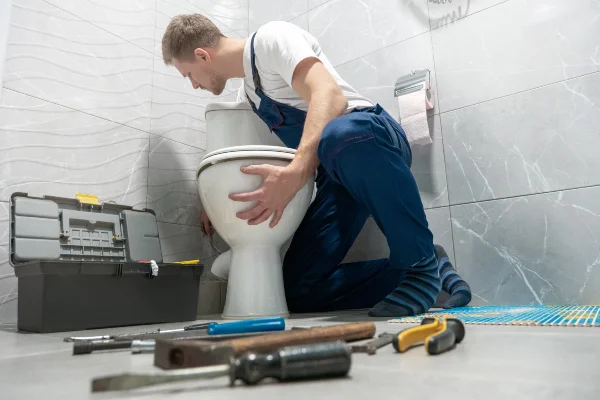
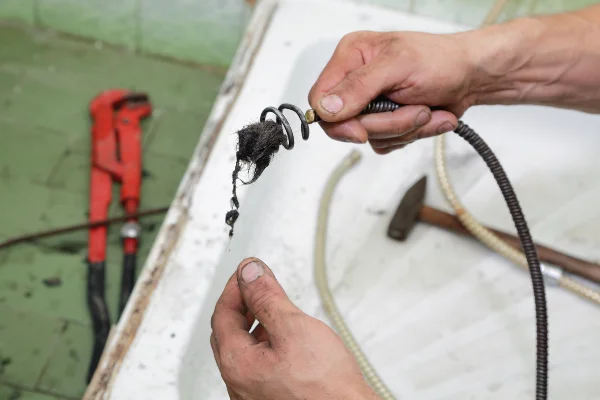
Residential clogs are localized and the runs shorter. A mid-size drum machine and a compact hand snake handle 80 percent of calls. A small battery-powered drum with a foot switch is a gift in tight bathrooms. Camera gear still matters, but the cameras are smaller, and the monitor can be your phone. The house doesn’t want to see a 4,000 PSI jetter on the porch. They want a clean entry, boot covers, and no scuffs on the door trim. You pick tools that do the job and respect the space.

Water safety and backflow: test kit, paperwork, and routine
Backflow prevention is life-or-death where public water meets process systems, irrigation, or medical facilities. In commercial work, you will own or have access to a backflow test kit, keep it calibrated annually, and know how to run tests on double check and reduced pressure assemblies. The tool here is precision plus a logbook. Some municipalities require testers to be individually certified and to submit forms within strict deadlines. If you don’t have the credentials, you schedule a certified tester before the inspection window closes. Either way, the test kit and the paperwork are as critical as any wrench.
Residential plumbing rarely asks for on-site backflow testing beyond a pressure vacuum breaker on irrigation, and even that may be handled by a separate irrigation contractor. Still, you should carry a decent pressure gauge, test for thermal expansion with a faucet drip check or a quick gauge on an outside bib, and know when to recommend a thermal expansion tank or a backflow device. The stakes are smaller at a single home, but cross-connections in houses still cause real injuries when they go wrong.
Hot work, cold work, and the reality of occupied buildings
In commercial buildings, occupied status drives your approach. In a hospital, any open flame is a process with permits, fire watches, barriers, and documentation before and after the work. Even in an office tower, management may restrict hot work to early mornings or weekends. If you show up with only a torch in your plan, you’ll stall. Press kits, grooving, and mechanical connections earn their keep here. You also carry fire blankets, non-contact thermometers to check adjacent material temperatures, and heat shields that hold their shape above your head while you work. When hot work is unavoidable, you bring more than one fire extinguisher and you plan to stay for a fire watch after the last joint is done. Tool choice is safety choice.
Residential plumbers have more latitude with torches, but the risk to finishes and framing is real. I’ve opened walls that looked like charcoal briquettes behind an old sweat fitting. Torch work inside a stud bay demands heat shields, water spray bottles, and a buddy check. The best tool is sometimes an alternative method: press a coupling to avoid burning a cabinet toe kick, or use a push-to-connect cap temporarily to control a leak until you can open the wall properly and solder safely outside. The code might allow multiple methods. Pick the one that fits the realities of the space, not just habit.
Measurement, layout, and the value of accuracy
Commercial jobs reward precision tools. Laser levels and digital inclinometers let you set long DWV runs on grade, meet hangar spacing requirements, and coordinate with structural steel and electrical trays. If a hanger spec calls for trapeze racks with seismic bracing, you bring a rotary laser, an impact rated to drive strut hardware, and torque tools to hit the engineer’s numbers. Bluebeam or similar software on a tablet helps you cross-check updated drawings in the field. It is common for the job to change two or three times between bid and installation. The tool here is not just physical, it is informational.
Residential layout looks humble by comparison, but it still hinges on accuracy. A shower valve sits exactly where it should, at a height that matches the homeowner and the tile pattern. A toilet rough-in can’t be off by half an inch without visible pain later. The difference is scale. A tape measure, torpedo level, small laser, and a pencil behind your ear do 95 percent of the work. The bigger tool is your eye for the finished space.
Testing and documentation: not always the same story
Pressure and leak testing is mandatory in both worlds, but the devices and expectations differ. For commercial systems, you may be testing domestic water to 150 psi or more and recording a 2-hour hold with a calibrated gauge. Air tests for DWV, if allowed, require calibrated low-pressure gauges and strict safety practices. Some sites ban air testing for safety. Vacuum testing on certain systems might be required. The toolset includes digital gauges, data-logging sensors if the spec asks for it, and test plugs rated for the size and pressure. I’ve seen test balloons fail and send a 4 inch plug across a mechanical room like a cannonball. You don’t cut corners here.
In houses, water testing is quick and practical. A hand pump and a brass test gauge verify a small segment before closing drywall. Drain tests often use inflatable test balls with simple water columns. You take photos and share them with the homeowner and inspector to avoid re-opening finished work. The best tool is often patience. Don’t rush a test because the painter is waiting.
Service trucks vs. job carts: mobility and staging
Commercial plumbers live out of gang boxes and material cages as much as trucks. On a big site, access is controlled, elevators are shared, and staging areas move. Your tools need to lock up and survive. Kitted, stackable cases, organized consumables, and color-coded press jaws save time when you are walking long distances. You bring spare batteries and a charging plan because there might be one outlet for ten trades. Lifts, ladders, and fall protection gear count as tools, because you cannot legally reach your workspace without them.
Residential plumbers thrive on a well-laid-out truck. Everything has a place. You stock a reasonable range of fittings, valves, and repair parts because a homeowner expects you to fix it now, not tomorrow after a supply house run. Compact battery tools rule because they carry upstairs easily and don’t trip the living room breaker. You keep drop cloths, mats, and corner guards. If you’ve been in business a while, you have a standing relationship with a local supplier that runs hot shots for parts you don’t carry. The tool is the network.
Code-driven specialty work: when the kit changes overnight
Some commercial facilities require specialized credentialed work: medical gas, lab waste, acid waste, high purity water. Each one pushes you into very specific tools and processes. Medical gas requires silver brazing with nitrogen purging, oxygen-safe cleaning agents, and documentation that would make a customs agent proud. Acid waste often uses polypropylene with heat fusion, which means fusion irons and clamps matched to the pipe. Lab systems might require certified installers and test reports filed with a commissioning agent. If you are bidding this work, you invest in the specialty tooling or you sub to a firm that owns it. There is no “I’ll make do.”
Residential work has specialty branches too, though fewer are enforced at the same level. Radiant floor heating requires manifold tools, oxygen barrier PEX, and a disciplined approach to pressure testing during pours. Well systems and treatment equipment ask for specific gauges, test kits for water quality, and pumps for sanitization. Fire sprinkler retrofits in single family homes, where required by code in some jurisdictions, ask for CPVC tools and solvent cements with specific listings. If you don’t do this work often, you rent or borrow the gear, or pass the job to a specialist.
Choosing tools under budget and schedule pressure
Not every plumber can buy a press tool kit on day one, and not every company can tie up cash in a roll groover that sees use twice a year. The trick is to align investments with the kind of jobs you take and the risk you carry. I use a simple framework when advising younger plumbers building their kit.
- Buy core tools that you use weekly and that directly affect safety, quality, or code compliance. Rent or borrow heavy specialty gear until you have steady demand. When code or specs prefer a method that speeds inspections or avoids permits, invest early. A press kit can pay for itself quickly on occupied projects where flame is restricted. Keep calibration-sensitive tools on a tracking schedule with documented checks. Your reputation benefits when you can show certs without hesitation. Be honest about the materials you see most often. If your residential work is 80 percent PEX, buy excellent PEX tools and the small accessories that keep them accurate. Build a relationship with suppliers who rent specialty tools at fair rates and can deliver to site fast.
This is the first of the two allowed lists.
Safety gear is not optional and should be treated like a tool
Compliance is not just about pipe and fittings. PPE and site-specific safety gear keep you on the job. Commercial sites often require hard hats, high-visibility vests, gloves rated for cut protection, safety glasses, and hearing protection as table stakes. Add harnesses when working at height, and lockout/tagout kits when touching pumps or equipment. You might also need vacuum attachments on drills to meet silica rules and fire-resistant tarps for temporary barriers. Inspectors can and will shut down work if they see violations. The right gear is not just ethical, it is contractual.
In residential settings, standards are looser but the hazards aren’t. You still deal with silica when drilling, lead paint when opening old walls, and confined space risks in crawlspaces. Carry bump caps, knee pads, a good headlamp, and a low-profile respirator. Bring carbon monoxide detectors and temp ventilation when you are sweating lines near a gas appliance. Safety practice looks different, but it matters just as much.
Tech isn’t a replacement for judgment, but it helps
Across both markets, useful technology has crept into daily life. Thermal cameras find hidden hot water loops. Bluetooth pressure gauges log tests in the background while you set hangers. Tablets with markups reduce change order disputes. Service software, even simple ticketing, helps residential plumbers schedule return visits and track warranty claims. None of this replaces a plumber’s hands, but it changes the tempo of the day. If you do commercial work, learn the project management platforms your GCs use. If you do residential, make sure your phone photos are organized and backed up. Documentation is a tool.
When a tool choice becomes a code choice
The stickiest problems happen when a tool decision slides into a code issue. A few patterns appear repeatedly:
- Press fittings on systems not listed in the spec. The inspector sees an unapproved method and halts the work, even if the fitting itself is sound. Mixing fitting brands with press jaws not listed for them. The joint looks fine until the third-floor ceiling stains. Using air tests on DWV where the jurisdiction bans them. Safety rules beat tradition. Using PVC where CPVC or a listed alternative is required due to temperature or fire rating. The pipe might last for years, until one overheated day ruins it. Assuming a residential method is acceptable in a commercial setting because it “worked fine in houses.” Context is king.
This is the second and final allowed list.
Each of these starts with a material or method decision and ends with a tool in your hand that either belongs on that job or doesn’t. When in doubt, ask for the spec section, call the inspector before you glue or press, and write down what you’re told. Good plumbers document verbal approvals because memory fades faster than ink.
Practical stories from the field
On a university job, we had approving language for copper press on domestic hot water up to 2 inches. A change order added a recirculation pump with higher temperature setpoints for a long run. The spec technically still allowed press, but the facility manager had a history of O-ring failures on older systems at similar temperatures. He asked for brazed joints in mechanical rooms. Could we have pressed it and passed inspection? Maybe. Would it have been the right call for long-term performance? No. We brazed in the rooms and pressed out in corridors where hot work created headaches. The tool choice split the difference between code, safety, and operations.
On a 1920s house, a homeowner begged for an emergency water heater swap on a Saturday. The gas line was old steel, threaded and fragile, with a union that looked like it had been painted and repainted for half a century. I carried a portable threader, but the space was too tight to set up. A press transition fitting would have simplified things, but it wasn’t listed for gas in our jurisdiction. We used two pipe wrenches, cheater bars, and patience. Once it moved, we replaced a longer section than planned to reach clean threads. It took an extra hour and two trips under the house, but the tool choice kept us inside code and out of trouble.
Budgeting time as a tool
On both sides of the fence, you fight the clock. In commercial, schedule slippage cascades across trades. In residential, a homeowner’s patience and your profit evaporate in the same hour. The best time-saving tools are the ones that reduce rework and inspection delays. Press tools, pre-fabbed assemblies, and well-organized carts save days on large jobs. In houses, a sharp tubing cutter, clean flux, and fittings sorted by size save minutes that add up. Nothing is slower than doing it twice.
A practical exercise helps when deciding whether to buy or rent a tool. Track the real time saved, including reduced cleanup and inspection friction. If a press kit saves two hours per day on average in occupied projects and you run three such days per week, the payback might be measured in weeks, not months. If a roll groover sees one use per quarter, rent it and spend your cash on everyday gear that keeps you moving.
The shared core: craftsmanship and accountability
Despite the differences, the heart of the work is the same. Every plumber who lasts learns to measure twice, cut once, and own the result. Whether you are swinging 6 inch grooved mains in a hotel or sweating a 1/2 inch line under a sink, your name rides on the joint. Tools are extensions of judgment. Code keeps us honest. Compliance is not bureaucracy for its own sake, it is a record of choices made in the open.
The tool sets diverge because the jobs demand it. Commercial plumbing tools are heavier, documented, and often designed for flame-free speed under strict rules. Residential plumbing tools are compact, adaptable, and tuned for clean work in tight, finished spaces. Both require respect for code and the people who live with the result. Choose tools with that in mind, and most other decisions become simple.
And if you’re a plumber moving between commercial and residential Plumbing projects, keep a modular kit. Build a reliable residential core with add-on cases for press, grooving, or calibration gear. The job will tell you what to bring. The code will tell you how to use it. Your hands will take care of the rest.
Finally, for those trying to explain these differences to a client or a new apprentice, the plainest way to put it is this: commercial plumbing tools support systems that serve many people and must pass many eyes. Residential plumbing tools serve one household and often one inspector. The work is different, but the standard is the same. Make tight joints, respect the rules, and leave the job better than you found it.
THE LEANDER PLUMBER - COMPANY 1789 S Bagdad Rd #103, Leander, TX 78641 (737) 530-8021