There is a moment in every repair when the right tool earns its keep. The fitting finally turns without tearing, the drain breaks free with a hollow sigh, the leak stops and stays stopped. After years in the trade and more calls than I can count, a pattern emerges: a compact kit of dependable plumbing tools solves most problems efficiently, safely, and without collateral damage. The gear I recommend here reflects that lived experience rather than a catalog’s wish list. Whether you’re a homeowner tackling small jobs or a plumbing company standardizing technician bags, the choices below balance cost, reliability, and real performance.
How a pro thinks about tool choices
Professionals weigh three questions before any purchase. Does it reduce risk, like avoiding cracked porcelain or stripped threads. Does it save time across hundreds of uses. Can it be maintained in the field. Fancy features are nice, but they do not help when you are shoulder-deep behind a dishwasher with a corroded stop valve. The durable, compact choice usually wins. When it fails, it fails predictably, and you can swap parts instead of binning the whole tool.
Brand loyalty is earned in crawlspaces and muddy trenches, not on glossy pages. I have preferences, and I will mention them, but the bigger point is to choose designs and materials that behave well in tight spaces and ugly conditions. A budget tool that never quits beats a premium tool that slips at the worst moment.
Core hand tools that work hard every week
If I had to pare down to a backpack, these are the pieces that would make the cut. They cover the majority of service calls: leaks at fixtures, clogged drains, running toilets, small pipe repairs, and water heater odds and ends.
A 10-inch and a 12-inch pair of adjustable wrenches handle compression nuts, supply lines, and stop valves. Look for thin jaws that stay parallel under load. The chewed-up chrome specials with sloppy jaws round nuts and cause damage. Zero play in the adjusting worm saves you grief.
Tongue-and-groove pliers are the workhorses. Two sizes, around 10 and 12 inches, cover traps, pump unions, and heater fittings. I favor versions with a non-pinched grip and a fine tooth set. The grip angle matters more than you think, especially under a sink where a twist of your wrist can make or break your leverage.
A small basin wrench earns its spot with one job: reaching those faucet nuts tucked behind bowls and basins. The head should flip directions easily and actually hold its position when you set the angle. Cheap heads chatter or roll off the nut. If you have ever bled on a cabinet lip, you know why this matters.
For pipe work, two pipe wrenches, a 10 and a 14 inch, handle most threaded steel and tight spaces. Aluminum bodies are worth the cost when you carry them daily. Steel wrenches last, but weight fatigue is real. Keep the teeth sharp, and replace the hook and heel kits when they dull. Dull teeth slip and mushroom fittings.
A compact ratcheting set of combination wrenches and a quarter-inch drive socket set with deep and shallow sockets round out hardware flexibility. The smaller drive fits better under fixtures and inside appliances. Add a set of nut drivers sized for hose clamps and water heater terminals.
For measuring and marking, a stiff 25-foot tape, a telescoping inspection mirror, and a bright penlight are worth their weight. The mirror finds slow weeps hiding behind shutoff valves. The light cuts through the shadows where leaks hide.
A hacksaw with a 24 TPI bi-metal blade and a close-quarters mini hacksaw cover traps and stub-outs. Copper cuts cleaner with a tubing cutter, but you will hit old chrome-plated brass P-traps that a cutter cannot touch. Keep spare blades in a dry sleeve.
Speaking of tubing cutters, carry a standard copper cutter for half and three quarter inch, plus a close-quarters cutter for tight cabinets. The cutters must spin true, and the rollers should not wobble. Replace wheels at the first burr. Bad wheels spiral and ruin the pipe.
Deburring tools matter more than beginners expect. A pencil-style reamer for inside burrs and a flat file for outside edges give you clean solder or press fits. Burrs create turbulence, noise, and sometimes micro leaks.
A quality screwdriver set with true tips saves valves and trim. The tiny slotted screwdriver that fits appliance terminals and shower stems is the unsung hero, as is a #2 Phillips with a shaft that extends through the handle for light tapping.
Include a stout putty knife and a utility knife with fresh blades. Putty knives lift old caulk without gouging tubs. The utility knife scores plastic and cuts tape, insulation, and gaskets. Dull knives slip, sharp knives cut straight.
Finally, always keep Teflon tape, pipe dope rated for potable water, a small tub of plumber’s putty, and a stack of assorted rubber washers and brass ferrules. These consumables turn a wasted trip into a finished job.
Leak stoppers: supply lines, shutoffs, and thread sealants
Leaks from fixture supplies and shutoff valves are common and frustrating. The repair is usually about restraint and sequence rather than muscle. The tools you want on hand allow you to hold back against torque without stressing the fixture.
A pair of opposing pliers or a wrench and pliers combo lets you counter-torque so you do not twist a faucet body or a toilet fill valve. For thread sealing, I rely on a medium-density PTFE tape for most compression threads and a non-hardening pipe sealant for tapered threads. The sealant fills the microscopic voids that tape alone cannot on rough threads. On a shower arm, I double-wrap with tape, then a thin coat of dope for easy alignment and a stable seal.
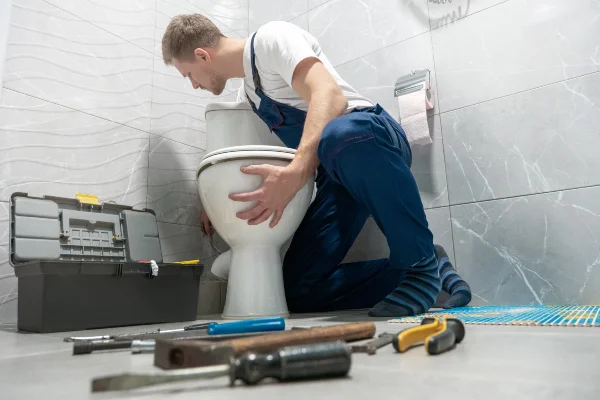
Flexible braided stainless supply lines are a gift when used wisely. The tool here is not just a wrench; it is your hand feel. Snug, then a quarter-turn. If you feel binding or the washer fighting you, back off, realign, and hand-start again. Many split washers and cracked valve bodies are caused by short patience.
When shutoff valves weep around the stem, tighten the packing nut a quarter-turn with an adjustable wrench. If the leak persists, re-pack the stem with graphite or PTFE packing. The small pick in your kit earns its keep here, teasing out old packing without scratching the stem.
Drains: clearing clogs without breaking fixtures
Clearing drains is one of those tasks where a cheap shortcut can ruin a sink. Start gentle, escalate deliberately. Chemicals are a last resort for a reason: they can generate heat and damage seals and finishes.
A quality cup plunger for sinks and a flange plunger for toilets are not the same thing. The cup needs a flat seal; the flange fits the toilet throat. A smooth, even pull and push works better than aggressive yanking. If water sloshes out of the bowl, you are moving too fast.
For sink and tub traps, take them apart when you can. A small bucket, a towel, and tongue-and-groove pliers are all you need. Loosen the slip nuts carefully, catch the trap water, and inspect for debris. If the trap is chrome-plated brass and the nuts look thin or corroded, baby them. Once you crack the plating, replacement is the right answer.
Handheld drum augers handle hair and soap scum in small lines up to 1.25 or 1.5 inch. Choose a model with a decent clutch and a smooth feed. Let the cable do the work. If you feel resistance, ease back and nibble forward. For toilets, a closet auger is the safer tool, as it protects the bowl and navigates the trap without scratching porcelain. I keep a three-foot auger for typical clears and a six-foot for the stubborn jobs.
When you step up to longer runs, a small powered drain machine with a 3/8 inch cable covers kitchen and laundry lines. For a plumbing company, a sectional machine is versatile, but for homeowners, rental is a better bet than ownership. The machine is only half the equation; the right cutting head matters. Grease responds to small, open coils that churn; roots need cutters with bite. Never force a machine. You can kink a cable faster than you think, and that becomes a repair call of its own.
Enzyme cleaners have their place for maintenance after a mechanical clear. They are not magic, but for lines that see regular organics, a monthly dose can slow buildup. Avoid mixing chemicals with mechanical work. If a client has poured in a caustic drain opener, give it time, flush thoroughly, and wear gloves and eye protection. The burns from splashback are no joke.
Toilets, tanks, and the small parts that make or break a call
Toilet repairs look simple until you factor in brittle porcelain, corrosion, and the awkward space between the tank and wall. The right tools let you move slowly and avoid cracks.
A deep socket for tank nuts, usually half-inch or 7/16, on a quarter-inch drive helps you reach without wrenching the tank sideways. A mini hacksaw or a close-quarters cutoff tool trims rusted tank-to-bowl bolts when the nuts seize. Brass bolts resist rust, but you will inherit plenty of steel ones from past installations.
For wax seals, I keep both standard and extra-thick rings, plus a few wax-free seals for flange heights that sit level or above the finished floor. Seat wobbles often come down to flange height. Shim carefully and cut the shims flush. A small level, even a pocket torpedo, keeps tanks from rocking. Tighten tank bolts evenly, alternating side to side, and stop when the rubber gaskets compress. Overtightening cracks tanks and bowls, and you will hear the faint pop right before your stomach drops.
Fill valves and flappers solve most running issues. Bring a universal fill valve with an adjustable height and a pack of high-quality flappers matched to the brand, especially for high-efficiency toilets. A cheap flapper that swells or stiffens in months will send you back to the same house for a free second visit. The tool here is judgment: measure the flush volume and choose parts that maintain the design flow.
A closet flange repair ring can rescue a broken flange without cutting pipe. It is a five-minute fix with outsized value. A nut driver and stainless screws lock it down, and you get a solid anchor for the closet bolts again.
Copper, PEX, and CPVC: picking the right joining tools
Material https://israelafqq794.timeforchangecounselling.com/a-practical-guide-for-budgeting-for-a-corporate-plumbing-tool-set drives your tool choice as much as the repair. In older homes, copper is common; newer builds see more PEX; some regions still favor CPVC. Each has sweet spots and pitfalls.
For copper, a clean, square cut with a tubing cutter, proper deburring, and a good flux-solder practice never goes out of style. A small torch with good flame control is essential. I prefer propane for most domestic work and MAPP substitute when I need faster heat on larger fittings outdoors. Flame discipline saves cabinets, paint, and fingers. Heat shields and a spray bottle are not optional. I have seen charred studs from a moment’s distraction.
Press tools have changed the game. For a plumbing company, a compact press tool with half, three quarter, and one inch jaws pays for itself with speed and reduced fire risk. The trade-off is upfront cost and the need to keep O-rings clean. Press joints like clean, round pipe. If the pipe ovaled when you removed the old fitting, re-round it or replace the section.
For PEX, a stainless clamp ring system with a calibrated ratcheting tool is my pick for service work. The tool is compact, forgiving in tight spaces, and the rings remove cleanly if you need to rework a connection. Crimp systems with copper rings work well, too, but they demand a perfect sizing tool and access to the full circumference. Expansion systems excel in new construction when you can stage and wait for memory set, but they are less convenient for fast repairs in a cramped vanity.

CPVC remains cost-effective but hates stress and heat. Use a sharp ratcheting cutter to avoid cracking, chamfer the edges, and use the correct solvent cement and primer. Cold weather demands longer set times. I have seen too many weeps from rushed cures. Avoid mixing push-to-connect fittings directly on CPVC in areas that see temperature swings, unless the fitting is listed for it and you protect it from stress.
Push-to-connect fittings, the well-known brand and its competitors, are lifesavers in emergencies and awkward reaches, and they test well when used within ratings. My rule: use them as a bridge, not a habit. In concealed spaces, pair them with pipe stiffeners and support the line to avoid movement that can wear O-rings over time.
Cutting open walls and putting them back the right way
The repair is not done until the wall looks respectable. A simple drywall saw, a multi-tool with a plunge blade, and a stud finder minimize damage. Cut neat rectangles, not jagged holes. It is faster to patch a clean opening than to feather a tear. Keep painter’s plastic and blue tape in the bag. Clients notice care long after they forget how fast you were.
When you open tile, a diamond wheel on a compact grinder and a spray bottle for dust control help, but do not rush. Score, test, and expand. If you cannot guarantee a clean cut, pitch an access panel solution. A white, reversible panel installed plumb with clean caulk beats a cracked tile that will haunt the installation.
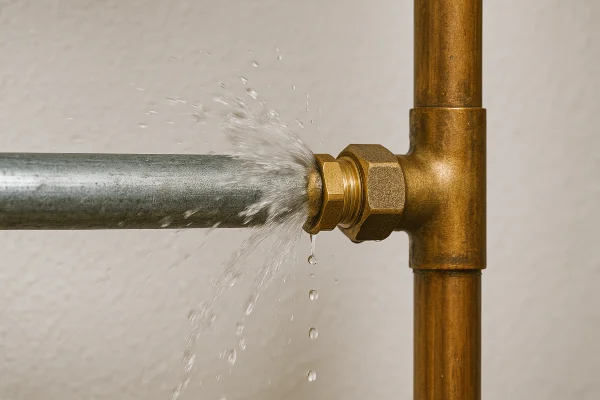
Water heaters: small tools that fix big headaches
Most water heater calls are about pilots, thermocouples, anode rods, or relief valves. A long breaker bar and a six-point socket remove stubborn anodes without rounding them. Expect a fight on heaters that have lived with hard water. If the rod will not budge, a cheater pipe on the breaker bar and a helper to steady the tank save threads.
A small inspection mirror and a long lighter help with older pilot assemblies. For modern electronic ignition, a multimeter with a clamp ammeter checks draws and continuity safely. Keep a descaling hose kit for tankless units and spare washers for service valves. The wrong hose washer will drip for days and make you look sloppy.
Drain valves on budget tanks clog with sediment. A short piece of stiff wire, a garden hose adapter, and patience will break the crust and start the flow. Never remove a drain valve under pressure. A garden hose cap is a cheap insurance policy to stop weeping drain valves after service.
Gas work: proceed with care and the right testers
Gas lines intersect with plumbing often enough that a basic gas tool setup makes sense if you are licensed for it. An electronic combustible gas detector, a sensitive bubble solution, and a calibrated manometer give you confidence. Thread sealant must be gas-rated. Wrenches fit for purpose, back-up against torque, and support the appliance piping. If you cannot test, do not guess.
Safety gear that keeps you working
The unsung tools are the ones that keep you out of urgent care. Nitrile gloves with decent thickness, cut-resistant work gloves for rough tasks, and a pair of safety glasses that actually fit your face are non-negotiable. Foam kneepads or a compact kneeling pad save you during long cabinet sessions. A headlamp frees your hands and moves with your eyes, which speeds troubleshooting. Ear protection matters when you run hammer drills in tight spaces or drain machines in echoing bathrooms.
Ventilation is a tool as well. A compact, battery fan clears flux fumes and PVC solvent vapors. I have watched pros forget this and get headaches that slow them down for hours.
Electrical basics for plumbing work
You do not need to be an electrician to work safely around powered equipment, but you do need a few tools. A non-contact voltage tester tells you if a disposal or a heater junction box is live. A multimeter checks continuity on float switches and pressure switches. Wire strippers with a clean cutting edge and a supply of wirenuts rated for damp locations complete the set.
When you disconnect a disposal or a dishwasher, take a quick photo. It is a simple habit that reduces mistakes when you reconnect in a rush. Always verify ground connections and replace broken cable clamps on junction boxes.
Adhesives, sealants, and the quiet craft of clean finishes
Clean, reliable sealing is part chemistry, part patience. Silicone has a place, but it is not a bandage for every gap. Use 100 percent silicone in wet areas where movement is expected, and use a paintable elastomeric caulk at trim transitions. For sinks and faucets, plumber’s putty still shines, as long as the manufacturer allows it on the finish. Some stone tops require non-staining putty or silicone to avoid oil marks. Read the spec sheet or call the stone installer if you are unsure.
Apply caulk and sealants with a smooth-bead gun, not a jerky, cheap trigger that blots and gaps. Tool with a damp finger or a dedicated profiling tool. Masking tape lines help on visible joints; pull the tape before the skin forms. A clean bead tells a client you care, and it usually takes less time than wiping smears.
Organization: the difference between fast and frantic
The best plumbing tools on earth still fail you if they are buried in a van avalanche. A simple organization system pays back every day. I keep a small parts case with labeled bins for washers, screws, O-rings, and small valves. Wrench rolls stop the creeping loss of individual sizes. Clear boxes for sealants and consumables show you at a glance what needs restocking.
Load-out matters when you park a block away. A backpack rig with core plumbing tools and a second, small tote for job-specific tools shortens trips. For a plumbing company, standardize kits across techs. When the second tech arrives on a job, they should find the same basin wrench in the same pocket. That consistency builds speed and reduces training time.
Budget tiers: where to save and where to spend
Not every tool needs to be top shelf. The trick is knowing where the money matters.
Spend on anything that bears on or touches a customer’s finish. Pliers and wrenches with true jaws, basin wrenches that hold and release cleanly, tubing cutters that cut square, press tools if you use them, and drain machines that do not bounce cables. A stripped shower arm or a scratched chrome trap costs more than the premium tool would have.
Save on consumables and redundancies. PTFE tape is PTFE tape within reason. Putty knives, utility knives, and some screwdrivers see abuse and loss; mid-grade works fine. Buckets and towels are not status items. For homeowners, rent big, specialized equipment like sectional drain machines or pipe threaders unless you plan frequent use.
Field notes: small experiences that shaped my kit
A few vivid jobs taught me lessons that stuck. The first was a dishwasher leak that only showed when the unit ran a full cycle. A mirror and a penlight caught the damp ring forming around the compression nut on the hot supply. The fix was a gentle snug with opposing pliers, but the real takeaway was to test under real conditions and not trust a dry start.
Another was a corroded shower arm that sheared off flush with the drop ear elbow inside the wall. A spiral extractor designed for shower arms saved a wall opening. Without it, I would have cut tile and spent two hours on what became a five-minute rescue. I keep that extractor in a tiny pouch now, and I reach for it once or twice a year, always grateful.
Then there was the washing machine box with brittle CPVC. A standard push fitting wept with temperature swings. The right move was to rebuild with new CPVC stub-outs, properly supported, and use listed transition fittings inside the box. The lesson: the convenient fix is not always the durable fix, and knowing when to reset a section is part of being a good plumber.
A compact starter kit for homeowners
For folks who want a lean, capable setup for small repairs, a thoughtful kit can prevent weekend chaos. Keep it simple and focused on safety and damage prevention.
- 10 and 12 inch adjustable wrenches, 10 inch tongue-and-groove pliers, basin wrench, quarter-inch drive socket set Cup plunger and toilet flange plunger, handheld drum auger, bucket, towels Tubing cutter for half inch copper, utility knife, mini hacksaw, deburring tool PTFE tape, pipe dope rated for potable water, plumber’s putty, assorted washers and O-rings Flashlight or headlamp, safety glasses, nitrile gloves, non-contact voltage tester
What separates a pro’s bag in a plumbing company
Scale changes things. When a plumbing company equips multiple crews, uniformity and serviceability become priorities. Press tools with shared batteries across tool lines reduce charger clutter. Sectional drain machines with interchangeable cables reduce downtime. A standardized inventory of repair parts lets any tech assemble a toilet rebuild or a faucet cartridge swap without a supply run.
Training pairs with tools. A new tech learns to feel compression on a flare nut, to hear the difference between a free-draining trap and a blocked one, to sense the bite of a pipe wrench that is seated correctly. The tools are extensions of that feel. A company that invests in both gear and mentorship avoids call-backs and builds confidence.
Maintenance and calibration: keeping tools honest
Good tools drift if you ignore them. Calibrate crimp and clamp tools on PEX at the intervals the manufacturer suggests. Replace cutter wheels and worn wrench teeth. Clean press jaws and check O-rings. Drain machine cables rust if they sit wet. Wipe them, oil them lightly, and store them coiled correctly. A monthly hour in the shop saves countless field hours.
Batteries have a life. Track charge cycles and retire weak packs before they die on a call. Label with dates. Frustration breeds mistakes, and nothing frustrates like a tool that fades the moment you need it.
When to stop and call a specialist
There is a point where effort turns into risk. If you find a main line root intrusion, a water service leak under a slab, a gas odor with no obvious source, or a boiler control fault that sits beyond your comfort, get help. The best plumbers I know call in colleagues without ego. Specialized cameras, locators, and combustion analyzers exist for a reason. A modest diagnostic fee beats a misstep that damages property or endangers people.
Final thoughts from the crawlspace
The best plumbing tools share a few traits: they fit where hands barely fit, they deliver predictable force, and they do not betray you when the space is dark and wet. Build your kit around the jobs you actually face, then refine it with each lesson the field teaches. Be loyal to function rather than logos. Protect finishes. Keep spares of what fails often. And when a choice comes down to a slightly more expensive tool that prevents a cracked fitting or a scratched tub, make the choice that lets you sleep easy.
If you are a homeowner, start with a focused kit and add as your needs reveal themselves. If you run a plumbing company, invest in uniform, serviceable gear and the training that makes it sing. The right tools make every repair cleaner, faster, and more durable, and they turn a messy trade into quiet craftsmanship.
THE LEANDER PLUMBER - COMPANY 1789 S Bagdad Rd #103, Leander, TX 78641 (737) 530-8021