Plumbers debate tools the way chefs debate knives. The conversation sounds picky until a stuck fastener on a 3 a.m. call turns a 30 minute fix into a three hour ordeal. Tool longevity and warranty terms decide whether you finish the job and go home, or lose a day to broken gear and return trips. The distinctions between commercial plumbing tools and residential plumbing tools go beyond size and cost. They shape how often you calibrate, how you plan inventory, and how you argue a warranty claim with a regional rep.
This piece looks at what actually wears out in the field, how manufacturers write their guarantees, and how to choose with eyes open. I draw from shop logs, purchase orders, and the unglamorous pile of retired tools under my workbench.
The environments aren’t equal
Commercial spaces punish tools in ways most homeowners never see. A commercial plumber crawls steel mezzanines, works on risers ten floors up, and spends winters in unheated mechanical rooms. The job demands long runs of pipe in tougher materials and tight schedules where a stalled tool can halt an entire crew. In that world, tools live in gang boxes and ride service carts. They get tossed, shared, and sometimes dropped fifty feet because nobody tied off the drill.
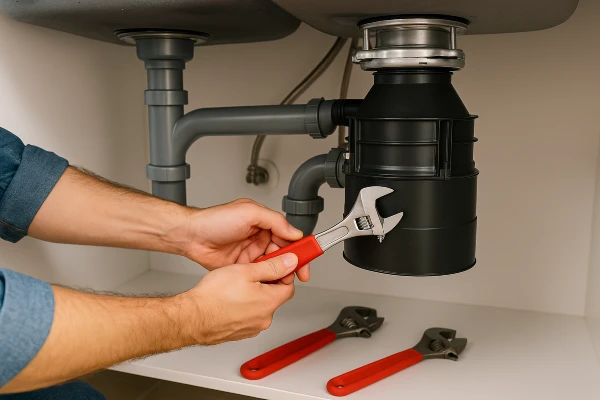
Residential plumbing projects are different. Tools typically go from van to site to van. A single plumber owns, uses, and maintains them. Pipe sizes are smaller, material is softer, and the duty cycle is lighter. Think copper and PEX more than 8 inch ductile iron. Those differences drive how tools are built, what fails first, and how warranties are written.
What longevity really means in practice
Longevity is not just the years until a tool dies. For a plumber, it is the number of jobs between interruptions. A camera that fails one hour into a slab inspection costs far more than a drain cable that finally snaps after a long run. So I look at longevity along three axes: mechanical wear parts, electronics and power delivery, and calibration stability.
Mechanical wear parts
Cutters, jaws, dies, and cables face predictable friction and torsion. On commercial jobs, you see large diameter threaders and pipe saws chewing through black iron and stainless. The torque is unforgiving. Threading dies chip, rollers flatten, and bearings growl. You can extend life with oiling and correct feed pressure, but physics wins in the end. The better commercial tools delay that end by using hardened alloys, beefier shafts, and serviceable bearings.
In residential work, the loads are lighter. Copper tube cutters last for years if you wipe them dry and replace wheels before they cone out. PEX expanders and crimp tools mostly wear at pivot points, so a new jaw or pivot pin refreshes the tool. Drain machines in homes run shorter lengths with fewer bends, so cables kink less often. Plastic and brass fittings do not chew up dies the way steel does. This is why a homeowner-grade tubing cutter can feel identical to a pro unit in the first month, then fall behind after a hundred cuts.
Electronics and power delivery
Battery tools changed plumbing. Commercial cordless press tools, high-torque impact wrenches, and band saws let plumbers operate above ceilings and on scaffolds without trailing cords. Those packs and electronics face heat, cold, and vibration. The cells degrade with cycle count and with how hot you run them. Press tools that fire thousands of crimps a year will hit pack fatigue and trigger errors long before their motors fail.
Residential users might go a week between presses. Their packs age calendar-first, cycle-second. They still die eventually, but slower. This matters because battery warranties differ from tool warranties. On the commercial side, some brands back packs with shorter terms than the tool itself, or cap replacements based on cycles. Know that before you standardize a fleet for your crew.
Calibration and accuracy
Press tools, manometers, torque sticks for no-hub couplings, and inspection cameras all need to stay true. Commercial workflow puts a lot of cycles on press tools and torque-limiting drivers. The best units log presses and flag calibration windows. Ignore those prompts and you risk failed inspections or leaks that show up after concrete is poured. Professional gear usually offers factory or authorized calibration services, sometimes with certificates that satisfy AHJ requirements.
Residential plumbers also need accuracy, but the tolerance band is wider and the regulatory pressure lighter. A press tool running five percent soft might never show a leak on 1 inch copper in a bungalow. On a 4 inch copper trunk in a multifamily build, that same variance will make your stomach turn.
Warranty terms and the fine print
Tool marketing loves the phrase “lifetime warranty.” The fine print is less romantic. Lifetime often means the expected life of the tool, as determined by the manufacturer, and excludes normal wear parts. Commercial lines and residential lines from the same brand can carry different terms, even though the logos match.
Expect the following patterns:
- Wear parts exclusions: Cutters, dies, sealing elements, O-rings, blades, and cables are usually considered consumables. Battery carve-outs: Two or three years on packs is common, shorter than the tool. Abuse and misuse language: Drops, corrosion from chemicals, and modified tools void claims. Duty cycle implications: Some brands reserve the right to deny claims that show extreme cycle counts, even if the use was reasonable on a commercial site.
Repair lead times matter as much as coverage. A generous five-year warranty loses shine when turnaround is four weeks and your press tool is central to your workflow. Some manufacturers run swap programs or loaners for commercial accounts, but you often have to ask, and the privilege may depend on your purchase volume or distributor relationship.
How build choices show up in the field
Take press tools. A commercial-grade press gun tends to weigh more because the metal gear train, reinforced yoke, and heat sinking add mass. The shells are thicker. Screws are steel inserts, not self-tapping into plastic. It feels overbuilt, and it costs accordingly. After two years of daily use, that overbuild pays off when the pivot still holds alignment and the motor brushes have meat on them. A residential press tool saves weight and cost. It performs well at first, but after a few hundred presses, the tolerances open up. You begin to see jaw imprint inconsistencies and occasional error codes.
Drain cleaning tools show the same pattern. Sectional machines for commercial lines pack torque and use cables designed to be field-swapped. Their clutches handle continuous load and heat. The residential drum machines are wonderful for routine kitchen and bath work, but their drums deform faster when fed long, heavy cables down a 4 inch stack. Try that a few dozen times, and you will split a drum or glaze a clutch.
With hand tools, the difference is subtler. A pair of 12 inch tongue-and-groove pliers aimed at homeowners will work fine for trap arms and supply lines. Put them on a seized 2 inch union in a boiler room, and the teeth round over. The pro version, hardened a few points higher and with a tighter rivet, keeps biting.
Cost per job: spend once, cry once, or spend twice, cry twice
Purchase price gets all the attention. Whether you are equipping a single plumber or a crew, the invoice stings. What matters more is cost per job. A $2,800 commercial press tool that lasts 20,000 presses costs 14 cents per press, ignoring maintenance and batteries. A $1,700 residential unit that needs service at 6,000 presses, then again at 10,000, might look cheaper up front but end up costing more in downtime and repairs. If you make your living with the tool, those interruptions dominate the equation.
For homeowners and small residential plumbers who press a few hundred joints a year, the calculus flips. The lighter, cheaper tool will age out slowly and likely never hit its cycle limit. Paying for commercial durability you will not use is like buying a box truck to move a couch.
Maintenance habits that stretch life
I have seen cheap tools outlast premium ones because the owner was disciplined. I have also watched a $5,000 pipe threader burn out after six months because nobody oiled dies or cleaned the sump. The maintenance that matters is not glamorous.
- Clean and oil moving parts at the end of the day, not the next morning. Metal expands and contracts overnight, pulling moisture into crevices. Oil stops the creep. Store batteries at moderate charge. Most packs like 40 to 60 percent if they will sit for a week or longer. Heat kills cells. Don’t leave them in a van window. Retire worn jaws and dies early. Worn edges force more load through the tool to achieve the same result, which accelerates motor and bearing wear. Keep a log of cycles and service dates. The best commercial tools log internally, but a simple notebook or app keeps you ahead of calibration windows and warranty timelines. Ship tools in for service during scheduled slow periods, not after they fail on site.
Those five habits cost minutes per day and add months to a tool’s useful life.

Warranty navigation, from claim to resolution
Filing a warranty claim goes smoother when you set it up right from the start. Register tools with manufacturers using serial numbers and purchase invoices. Photograph the label plates before they wear off. Keep copies of calibration reports. If a press tool throws error codes, record them. When you call support with dates, codes, and cycle counts, you get an RMA fast. Walk in with “it died on me,” and you may spend hours repeating basic checks.
Distributors can be allies. A good counterperson who knows you can escalate claims, push for loaners, and interpret the fine print. They also help distinguish between warranty and goodwill. I have had dies replaced outside formal coverage because I had a history of maintenance purchases with the same supplier. That does not happen if you jump between bargain outlets.
Mixed fleets and compatibility
Many shops run mixed fleets. That can make sense. A commercial press tool for mains and risers, a lighter residential unit for trim and punch-list work. The trap is jaw and battery compatibility. Not all “18V” labels mean the same pack. Some brands restrict their flagship commercial tools to pro-line batteries with different contacts or firmware. If you standardize on one battery ecosystem, you save a small fortune and simplify charging on site. If you mix brands for specialty tools, accept that you will carry a second charger and manage different warranty paths.
Jaws and rings are even trickier. Press profiles differ by manufacturer and by material system. Using the wrong profile can void a pipe fitting warranty, and if a fitting fails, you can end up in a blame triangle between tool maker, fitting maker, and installer. Document your approved combinations and keep them with your permits.
Edge cases where residential tools shine
There are times when the residential choice is the better professional choice. A compact press tool fits inside a crowded vanity or above a drop ceiling where the big gun simply will not go. A lightweight drum machine is easier to carry up three flights for a quick kitchen line. A small inspection camera with a flexible head can snake inside a wall cavity where heavy commercial cameras cannot bend. You give up duty cycle, but you gain access and speed.
For homeowners who like to tackle plumbing projects, investing in homeowner-grade gear can be smart if you pick high-use items. A solid pair of pliers, a quality tubing cutter, a compact drain auger, and a reliable stud-and-pipe detector take care of 80 percent of small jobs. Rent the monsters. Threaders, large drain machines, and pro cameras belong to the rental counter when you only need them once a year.
How brands segment their lines
Manufacturers rarely advertise the quiet differences. The housing color may change, or the model number gets a “Pro” badge. The engineering changes live inside. Expect:
- Reinforced gearboxes and thicker yokes on commercial press tools, with logged cycle counts and calibration reminders. Higher tool ingress protection ratings for commercial gear, including seals around triggers and ports. Serviceability: commercial units use replaceable brushes, modular boards, and accessible bearings. Residential units trend toward sealed assemblies that get replaced rather than repaired. Accessory availability: commercial lines offer more jaw sizes, specialty dies, and service kits. Residential lines lean on a simpler catalog.
Those differences tie directly to warranty strategy. Companies offer longer or more flexible repairs on tools they designed to be repaired.
The real cost of downtime
When a tool breaks on a commercial site, you do not just lose a tool. You lose momentum. The lift you rented sits idle. The GC wonders why your crew is standing around. Other trades cannot start until your riser is closed. If you are unlucky, you pay for a remobilization. A warranty that sends your tool to a central depot for two weeks is functionally a warranty that costs you billable hours. This is why many commercial plumbers keep redundant core tools. Two press tools, two band saws, a spare 100-foot camera. You can justify that expense only when you quantify the cost of stoppage.

In residential service, downtime stings differently. A same-day service plumbing company in Leander, TX promise falls apart. You might eat a call-back. The cost is reputation and lost future work. Keeping one backup press tool or a spare drum cable can bridge those moments. The calculation is more about reliability than fleet redundancy.
How to choose for your work
Buying well starts with brutal honesty about your workload. Count presses per month, not what you hope to bid. List the largest common pipe you handle. Note whether you work alone or in crews, and whether your jobs happen near power or in remote wings of buildings. Think about the environments: food service, hospitals, clean rooms, wastewater plants, unheated barns. Exposure to bleach vapor or salt air accelerates corrosion and kills electronics early.
If your work is split, consider pairing heavy commercial tools for backbone tasks with a small kit of residential tools for finish work. Keep the accessories cleanly separated so the wrong jaw never lands on the wrong fitting. Build maintenance into your schedule the way you build safety meetings and material deliveries. And before you click buy, read two documents: the operating manual’s maintenance section and the warranty’s exclusions. The manuals explain how the tool wants to be treated. The exclusions tell you how the company will treat you when things go wrong.
Anecdotes from the bench
A three story school addition offered a lesson I still quote to apprentices. We had a commercial press tool with 8,000 cycles on its log and a residential-sized backup in the van. The main tool misfired on a 2 inch copper branch. It flagged a jaw error. We pulled the backup, finished the press, and kept going. After lunch, we swapped batteries and ran a test on scrap. The main tool worked fine until it hit a 4 inch press, then stumbled again. The calibration reminder had popped the week before and nobody took it in.
The downtime cost us about 90 minutes. Not tragic, but it happened on the day the fire sprinkler contractor needed to test, and the domino effect pushed his crew into overtime. We ate that cost. The warranty covered the calibration and a worn yoke bearing, but the schedule hit was on us. That experience changed our routine: when a tool prompts for calibration, it leaves the van that day, and the backup becomes the primary until the first returns with a fresh certificate.
Another time, a homeowner-grade inspection camera paid for itself in one visit. A condominium board asked for a leak source inside a kitchen chase. The commercial camera could not make the 90 degree turn inside the narrow stud bay. The small, flexible camera snaked through a rivet hole and found a pinhole in a soft copper stub-out. Ten minutes of footage saved hours of exploratory demolition. Tool choice is not just about durability and warranty. It is about form factor and finesse.
What to watch in contracts and bids
For commercial bids, write tool calibration and maintenance into your project plan. Some spec packages now require documentation of tool calibration for press fittings and torque-limited drivers. Pricing that time and cost into the job avoids arguments later. If the owner mandates a specific brand for fittings, make sure your press tools and jaws carry the right approvals. Substitutions can trigger warranty disputes after turnover.
If you are a residential service company, include language that allows you to return if hidden conditions require specialized tools. It sets expectations. Many customers assume you have every tool under the sun in your van. You do not, and you should not. Setting boundaries protects your schedule and your tools.
A final word on priorities
Commercial plumbing tools are not just stronger versions of residential tools. They are built for constant use, rough handling, and field serviceability, and their warranties reflect a higher expectation of abuse and a clearer path to repair. Residential plumbing tools are lighter, less costly, and perfectly capable within their intended duty cycle. The right choice depends on the jobs you take, the crews you run, and your appetite for risk.
If you make a living with a tool that can stop a project, buy the commercial version, log its life, and set it on a service cadence. Build redundancy where stoppage hurts most. If you are an occasional user or a homeowner tackling careful weekend work, buy the residential model from a reputable brand, treat it well, and spend the savings on materials and safety gear. And regardless of the path, read the warranty before you need it. The promises in that fine print are part of the tool, just as surely as the motor and the jaws.
THE LEANDER PLUMBER - COMPANY 1789 S Bagdad Rd #103, Leander, TX 78641 (737) 530-8021